
Sample Container Guide
The use of correct sample containers is critical, particularly for organic analyses. Unless you are very familiar with the analysis you are going to need, it is always best to ask the laboratory for advice on containers and quantities required.
Quick container calculator
Estimate how many containers you'll need on site. Pick your analyses, set sampling points, and we'll do the maths.
Soils
| Container | Use for |
|---|---|
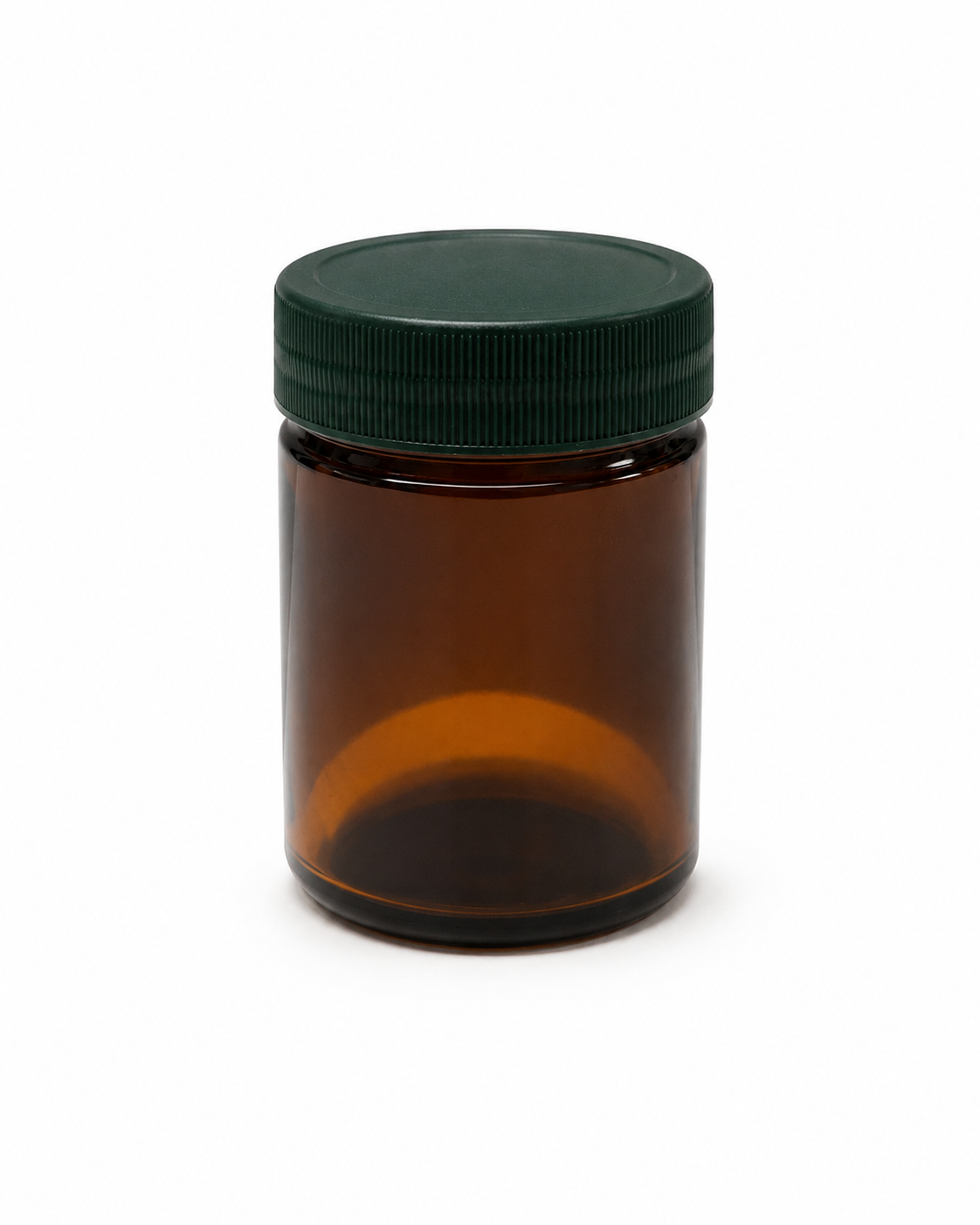 250g jar | Organics (Inc. EPH, EPH CWG, SVOCs, PAHs, Pesticides), metals, anions, D&Fs |
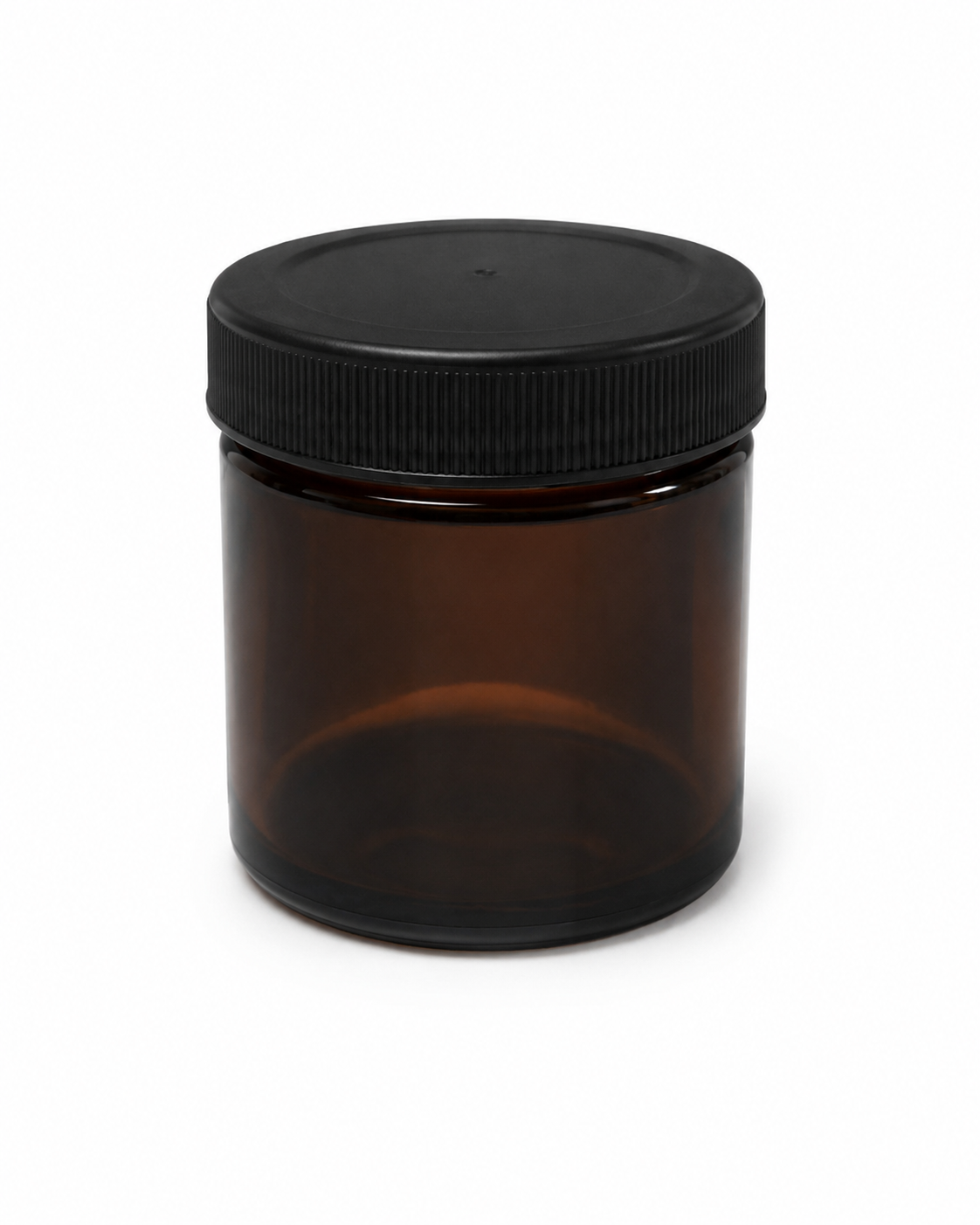 60g volatile jar | VOCs, GRO & GRO CWG, alcohols and acetates Can use for non-VOC analysis * |
1 × 250g jar 2 × 60g jar | Leachate analysis |
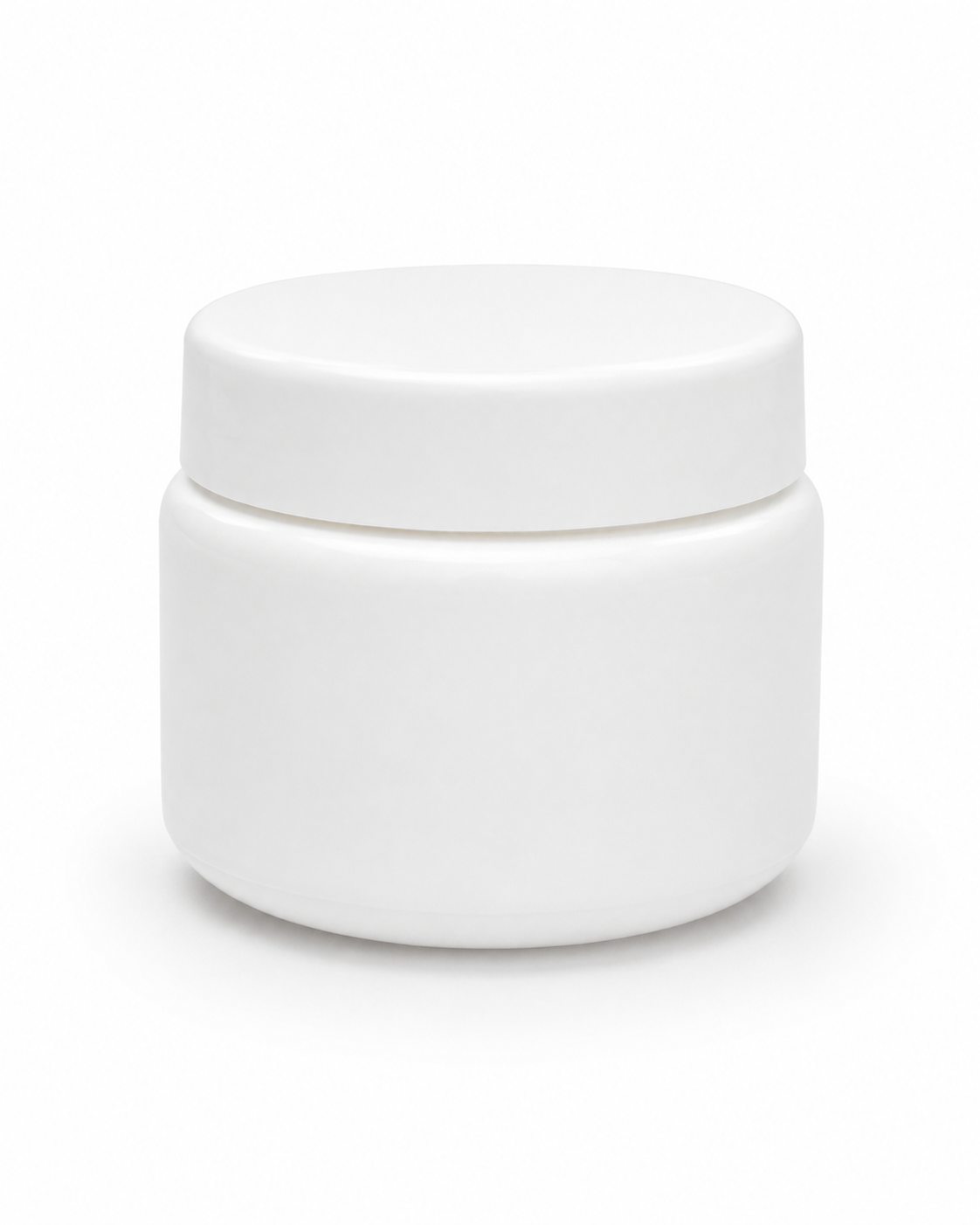 HDPE/PP 120 g tub | PFOS / PFOA / PFAS |
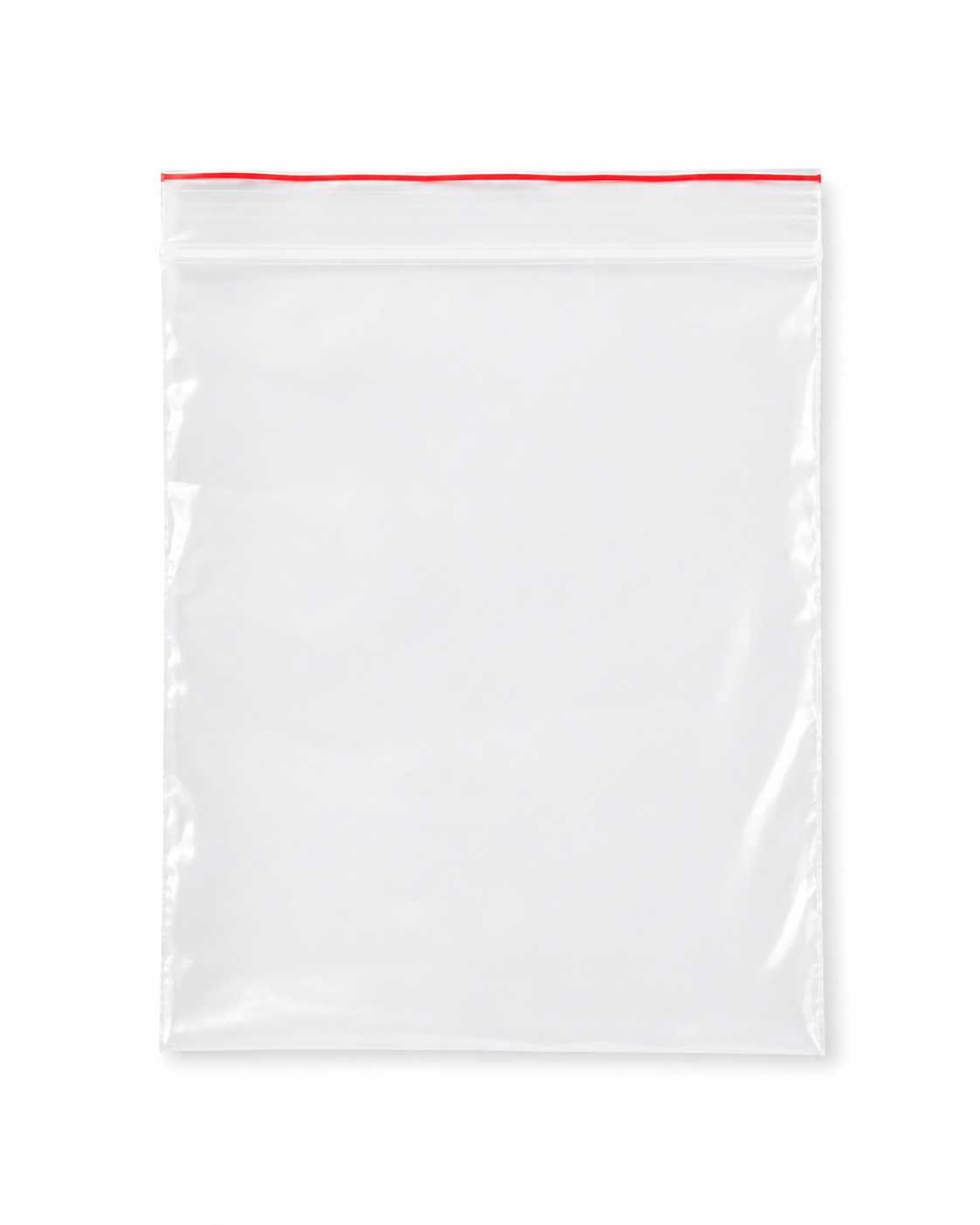 Double Ziplock bag | Double bagged for asbestos screen & ID ** |
- * Generally 2 × 60g jars. If leachates are required we require an extra jar or Ziplock bag (200g – 300g).
- ** Bulk IDs will be treated as an ACM in soil. Samples preferably the size of a penny.
Organic Waters
| Container | Use for |
|---|---|
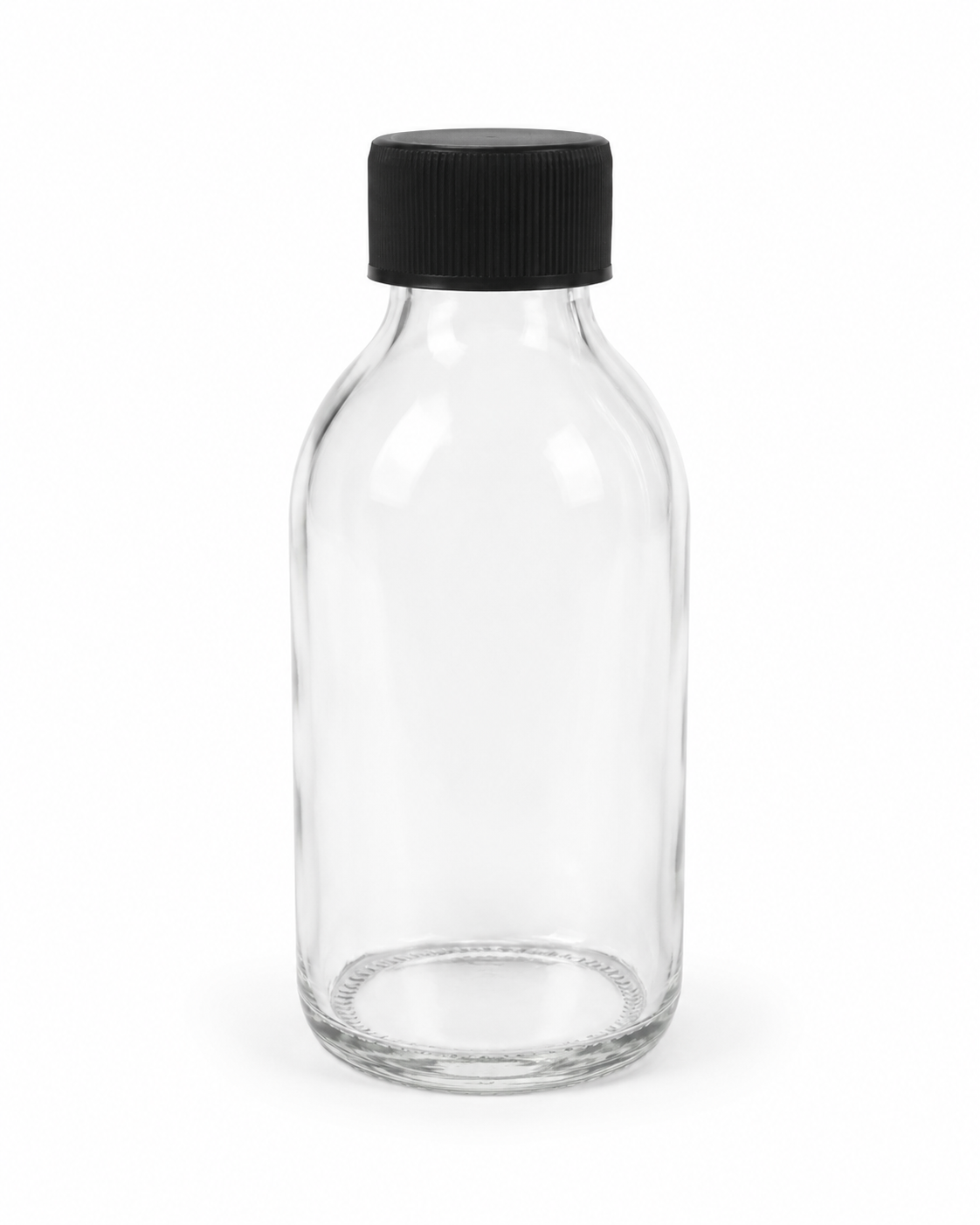 2 × 200ml glass (150ml/suite) | Organics, EPH, CWG, SVOCs, PAHs, Organotins |
200ml glass | Pesticides |
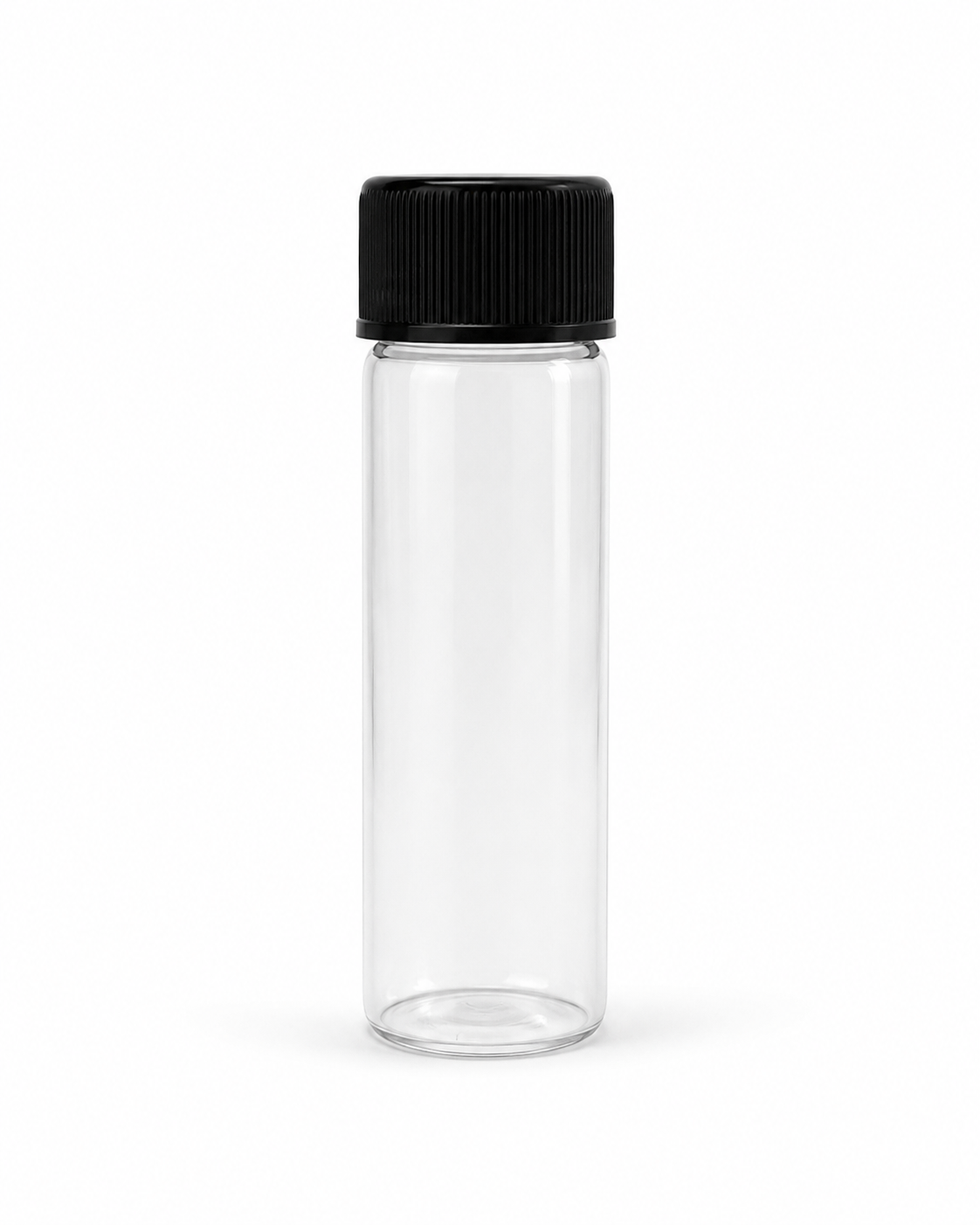 40ml volatile vial 20ml TOC vial All vials must be filled with NO headspace | VOCs, GRO, CWG alcohols, TEL / TML — 2 vials per analysis TOC |
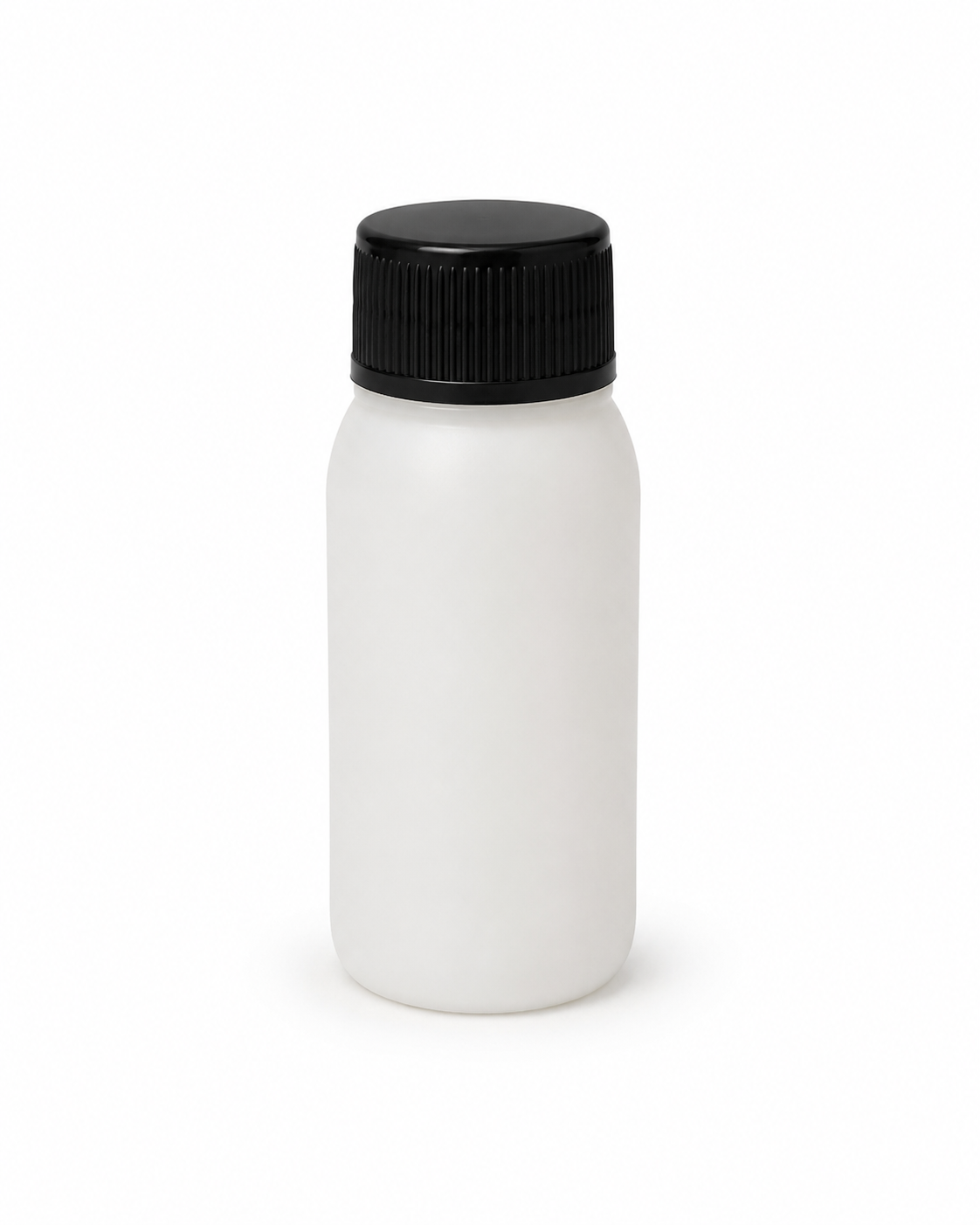 1 × 250 ml HDPE plastic | PFOS / PFOA / PFAS |
- Fill water vials for volatiles and TOC with no headspace, avoid sediment.
- Fill all bottles as full as possible, preferably with no sediment.
- For TPH CWG: 1 × 500ml glass and 2 × 40ml vials are required.
Inorganic Waters
| Container | Use for |
|---|---|
HNO₃ 50ml plastic bottle | Earth Metals (All), Sodium, Potassium, Calcium, Dissolved/Total Sulphur, Mercury CVAF Dissolved, Metals Dissolved, Metals Total, Silica |
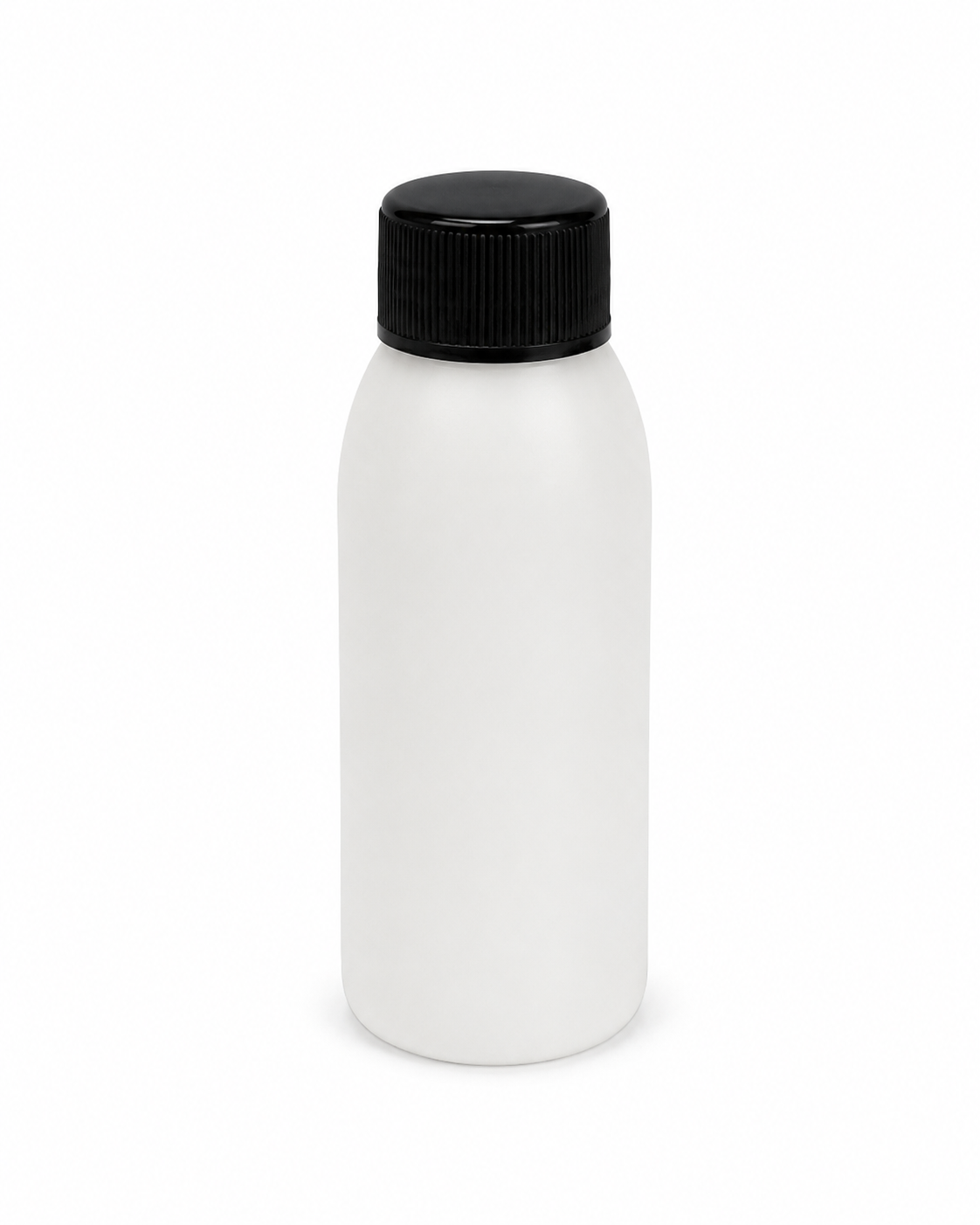 HCl 100ml plastic bottle | Dissolved Fe(II) / Fe(III), Manganese II — MUST filter |
H₂SO₄ 50ml plastic bottle | Ammoniacal Nitrogen, Free Ammonia |
NaOH 50ml plastic bottle | Complex Cyanide / Total Cyanide / Cyanide |
Hex Cr Buffer 50ml plastic bottle | Hexavalent Chromium — MUST filter |
ZnAc 50ml plastic bottle | Sulphide, Thiocyanate |
250ml plastic bottle | General inorganics (alkalinity, anions, hardness, pH, EC, nutrients, etc.) |
Holding Times
Reference holding times, preservation methods, containers and minimum volumes for water, soil, gas and product samples.
Verify against the lab's accredited method scope. The values below are a working reference — the accredited holding time for a given method can be shorter than what's shown. Always confirm with VH Develop before sampling, especially for regulatory submissions.
Water Holding Times
| Parameter | Matrix | Preservation | Holding Time | Container | Min Volume | Standard | Notes |
|---|---|---|---|---|---|---|---|
| Alkalinity | W/L | 5±4°C | 28 days | G or P | 30ml | In House | — |
| Dissolved Metals ICP (except Hg) | W/L | HCL/ HNO3 | 6 month | G or P | 20ml | APHA 1060:1 | Must be filtered on site |
| Dissolved Mercury ICP | W/L | HNO3 | 28 days | G or P | 40ml | APHA 1060:2 | — |
| Dissolved Metals (As, Ba, Cd, Cr, Cu, Co, Pb, Mn, Mo, Ni, P, Se, Tl, V, Zn) | W/L | unpreserved | 14 days | G or P | 20ml | In House | No sediment |
| Dissolved Al, B, Fe, Sb, | W/L | unpreserved | 11 days | G or P | 20ml | In House | No sediment |
| Dissolved Mercury ICP (unpreserved) | W/L | unpreserved | 10 days | G | 20ml | In House | No sediment |
| Ammonia/Amm N (H2SO4) | W/L | H2SO4 | 28 days | G or P | 5ml | APHA 1060:1 | — |
| Ammonia/Amm N | W/L | 5±4°C | 28 days | G or P | 5ml | In House | — |
| Chloride | W/L | 5±4°C | 28 days | G or P | 10ml | APHA 1060:1/ USEPA 300.0 | — |
| Nitrate | W/L | 5±4°C | 15 days | G or P | 5ml | In House | — |
| Nitrite | W/L | 5±4°C | 15 days | G or P | 5ml | In House | — |
| TON (H2SO4) | W/L | H2SO4 | 28 days | G or P | 5ml | APHA 1060:1 | — |
| TON | W/L | 5±4°C | 28 days | G or P | 5ml | In House | — |
| BOD | W/L | 5±4°C | 48hr (USEPA) | P | 250ml | APHA 1060:1/ BS 5667-3 | No headspace in separate bottle |
| COD | W/L | 5±4°C | 31 days | P | 5ml | In House | — |
| TOC | W/L | 5±4°C | 30 days | G or P | 20ml | In House | — |
| IC | W/L | 5±4°C | 31 days | G or P | 20ml | In House | — |
| TC | W/L | 5±4°C | 32 days | G or P | 20ml | In House | — |
| Conductivity | W/L | 5±4°C | 28 days | G or P | 30ml | In house/APHA 1060:1 | — |
| PAH | W/L | 5±4°C | 20 days | G | 150ml | In House | — |
| EPH | W/L | 5±4°C | 21 days | G | 150ml | In House | — |
| pH | W/L | 5±4°C | 28 days | G or P | 30ml | In House | — |
| Phenols (H2SO4) | W/L | H2SO4 | 28 days | G or P | 10ml | APHA 1060:1 | — |
| Phenols | W/L | 5±4°C | 21 days | G or P | 10ml | In House | — |
| orthophosphate | W/L | 5±4°C | 1 Month | G or P | 10ml | BS 5667-3 | — |
| Total Phosphorus | W/L | H2SO4 | 28 days | G or P | 10ml | APHA 1060:1/BS 5667-3 | — |
| sulphate | W/L | 5±4°C | 28 days | G or P | 10ml | APHA 1060:1 | — |
| Hex Cr | W/L | ≤4°C | 24 hours | G or P | 5ml | USEPA QA Manual 2016/ BS 5667-3 | — |
| Hex Cr (Buffer) | W | Buffer preserved | 28 days | P | 5ml | USEPA QA Manual 2016/APHA 1060:1 | — |
| Cyanides (NaOH) | W/L | NaOH | 28 days | G or P | 30ml | In house/APHA 1060:1 | Do NOT filter |
| Cyanides | W/L | 5±4°C | 28 days | G or P | 30ml | In House | — |
| VOCs/Fuel Oxygenates | W/L | 5±4°C | 14 days | G | 40ml | — | No headspace |
| SVOCs | W/L | 5±4°C | 14 days | G | 150ml | In House | — |
| Dissolved Gases | W/L | 5±4°C | 14 days | G | 40ml | USEPA QA Manual 2016 | — |
| GRO/MBTEX | W/L | 5±4°C | 14 days | G | 40ml | In House | No headspace |
| TS | W/L | ≤6°C | 21 days | G or P | 100ml | In House | — |
| TDS | W/L | 5±4°C | 21 days | G or P | 100ml | In House | — |
| TSS | W/L | ≤6°C | 28 days | G or P | 100ml | In House | — |
| Fe II & III, Mn II | W/L | HCl | 28 days | G or P | 40ml | In House | — |
| PCBs | W/L | 5±4°C | 7 days | G | 150ml | In House | — |
| Sulphide | W/L | ZnAc | 7 days | G or P | 5ml | In House | Do NOT filter |
Soil Holding Times
| Parameter | Matrix | Preservation | Holding Time | Container | Min Volume | Standard | Notes |
|---|---|---|---|---|---|---|---|
| EPH, PAH, SVOCs, PCBs | S | 27°C | 14 days | G | 20g | USEPA QA Manual 2016 | — |
| VOCs/BTEX/GRO | S | 1-9°C | 14 days | G | 60g | USEPA SW-846 2012/NEPM 2013 | No headspace |
| Vinyl Chloride, Styrene | S | 1-9°C | 7 days | G | 60g | USEPA SW-846 2012/NEPM 2013 | No headspace |
| Phenols | S | none | 14 days | G | 20g | USEPA QA Manual 2016 | — |
| Metals (excl Hg) | S | none | 6 months | G or P | 10g | USEPA QA Manual 2016 | — |
| pH | S | 27°C | 28 days | G or P | 30g | In House | — |
| Mercury | S | none | 28 days | G or P | 10g | USEPA QA Manual 2016/NEPM 2013 | — |
| SEM | S | unpreserved | 28 days | G or P | 10g | USEPA SW-846 | — |
| TOC | S | 27°C | 28 days | G or P | 10g | USEPA 9060/NEPM 2013 | — |
| PCBs | S | none | 14 days | G | 20g | USEPA QA Manual 2016 | — |
| Chloride, sulphate, fluoride, orthophosphate | S | 27°C | 28 days | G or P | 20g | USEPA 300.0/NEPM 2013 | — |
| TON | S | 27°C | 26 days | G or P | 20g | In House | — |
| Hex Cr | S | none | 28 days | G or P | 20g | USEPA QA Manual 2016/NEPM 2013 | — |
| Cyanides | S | 27°C | 14 days | G or P | 10g | USEPA QA Manual 2016/NEPM 2013 | — |
| LOI | S | none | 28 days | G or P | 10g | USEPA 9060 | — |
| Total Sulphate | S | none | 28 days | G or P | 10g | NEPM 2013 | — |
| WSB | S | none | 14 days | G or P | 10g | In House | — |
| Ammonia/Amm N | S | 27°C | 14 days | G or P | 20g | In House | — |
| Conductivity | S | 27°C | 14 days | G or P | 40g | In House | — |
| SVOCs | S | 27°C | 14 days | G | 20g | In House | — |
| Sulphide | S | 27°C | 7 days | G or P | 60g | In House | — |
Gas Holding Times
| Parameter | Holding Time | Standard |
|---|---|---|
| Gases - Tedlar Bag | 48 Hours | USEPA TO-15 |
| Gases – Silco-Cans | 30 days | USEPA TO-15 / Storage Stability of VOC in Silico Canisters |
| Gases – BottleVac | 30 days | USEPA TO-15 / Storage stability of VOC's in bottle Vacs |
Product Holding Times
| Parameter | Holding Time | Standard |
|---|---|---|
| Whole Oil | 14 days | USEPA 8015B 1996 / SW 846 2014 |
Sampling Guide
The correct sample containers will be supplied to you (ready labelled) in cool boxes along with bubble wrap bags, ice packs, return labels, tape and Chain of Custody (C of C) forms.
- If glass is next to glass it has a higher chance of breaking.
- Use the bubble wrap bags. If there are not enough or you do not have any, newspaper is a good alternative.
- Samples should be kept cool on site and returned with frozen ice packs.
- Please request temperature data loggers if required.
- Fill jars as full as possible and ensure the lid is on securely.
- If samples are very wet or light, we will need additional sample.
- DO NOT put bags of ice blocks in the box, as these leak and cause damage to the outer boxes.